On February 21, 2026, a tweet from @Theoladeledada went viral: “The cure for sickle cell disorder is now available at Sickle Cell Foundation Nigeria, LUTH. You can get it as a Nigerian. Please retweet for others to see.” Thousands liked it, shared it, and flooded the replies with questions.
The hope was real. So was the complexity.
Commenters were quick to add context: bone marrow transplantation (BMT) is not a simple fix. It costs over ₦40 million, according to some estimates, requires a compatible sibling donor, and comes with strict eligibility criteria. One reply put it plainly: “Bone Marrow Transplant is not as simple as you made it sound.”That’s fair. But the underlying news is genuinely significant.
What’s Actually Happening at LUTH
The Sickle Cell Foundation Nigeria (SCFN) and Lagos University Teaching Hospital (LUTH) have been running Africa’s first dedicated non-profit bone marrow transplant program for sickle cell disease since around 2022. It meets international standards. Costs range from $15,000 to $22,000 USD, roughly ₦24 to 35 million, which is a fraction of what the same procedure costs abroad (often above $500,000).
The procedure works by replacing faulty blood-forming cells with healthy ones from a compatible donor. For patients who qualify, primarily children with severe SCD who have an HLA-matched sibling, it offers a permanent cure. But eligibility depends on age, overall health, and whether a suitable donor exists. Not everyone qualifies, and the procedure carries real risks. Pre-transplant conditioning is gruelling, and lifelong follow-up is required.
Nigeria carries the world’s highest burden of sickle cell disease. This program matters. But it can’t reach everyone, not yet, and maybe not for a long time. Blood Transfusions Are Still the Reality for Most. For the majority of Nigerians living with sickle cell, management means regular blood transfusions to ease crises, prevent organ damage, and keep people functional day to day. That’s where the gap remains critical. Voluntary blood donation in Nigeria covers well below 10% of the national need. Shortages are common. Delays cost lives.
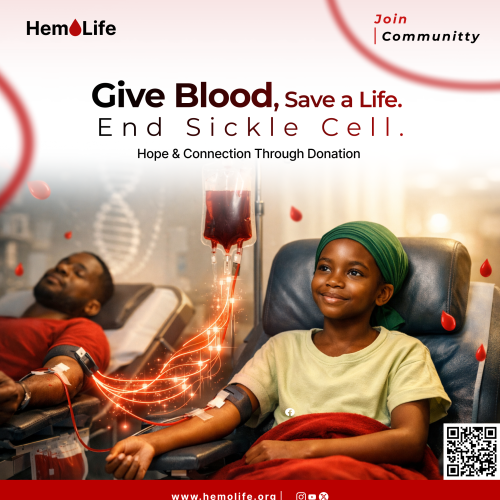
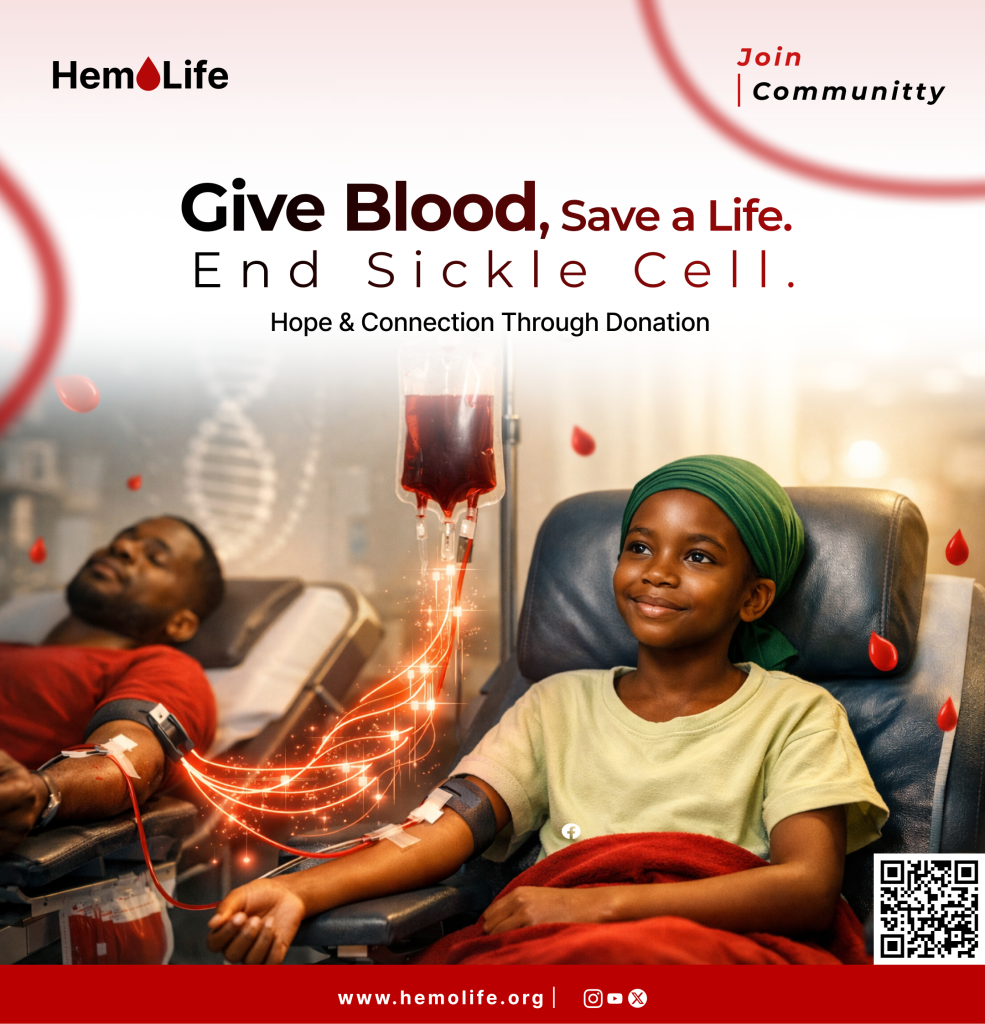
Hemolife exists to close that gap. We’re a peer-to-peer blood donation App that connects voluntary donors directly with people who need blood, cutting through the bottlenecks of family replacement policies and overstretched hospital systems. We match by blood type, location, and urgency. We work across Android and iOS.
What Hemolife is Pioneering
Last year, we collected over 200 pints of blood through hospital partnerships, campus drives, and community outreaches. We helped address urgent needs during holiday periods and in underserved areas, including Jos Terminus Market and ABSUTH in Aba, places where hospital blood banks often run dry. Across these efforts, we estimate more than 600 lives were reached.
We also got a reminder of why this work matters on a human level. A tweet circulated about a blood donor who fainted but still tried to help. We responded then, and we mean it still: donors are heroes. We work to treat them that way, with education, post-donation support, and recognition that giving blood, done properly, does not cause lasting harm.
What We’re Building in 2026
We’re working to make the app smarter, predicting demand, nudging donors at the right moment, and reducing drop-off. We’re deepening partnerships with institutions like LUTH and SCFN, including support for patients navigating post-transplant care. And we’re expanding into more campuses and communities across Nigeria.
The Honest Challenges
Myths about blood donation still keep people away. Infrastructure in rural areas is thin. Shifting a culture from family-replacement giving to voluntary, regular donation takes years of consistent advocacy. And even as BMT becomes more accessible, the cost and eligibility constraints mean that transfusions will remain essential for the vast majority of sickle cell patients for the foreseeable future.
We’re not pretending these problems are easy. But the viral tweet in February, the hope in it and the hard questions in the replies are exactly why this work matters. Progress is real. It’s also incomplete.
If you want to help, download the Hemolife app at www.hemolife.org and register as a donor. Every pint counts. 🩸
By Emmanuel Ejike