Build With Us. Learn With Us. Make an Impact. Hemolife invites passionate, talented, purpose-driven individuals worldwide to join our growing team of volunteers working to strengthen access to safe blood donation and improve healthcare delivery through technology, partnerships, and community engagement. We believe that meaningful impact happens when people with different skills, experiences, and perspectives work together toward a common goal. Whether you are an experienced professional, a student, an intern, or someone looking to gain practical experience, we welcome applications from individuals who share our vision. We are currently recruiting volunteers across clinical advisory, technology, design, partnerships, marketing, community engagement, operations, finance, legal, and human resources. All positions are flexible and remote, with time commitments agreed upon with the relevant team lead. Applicants from any country may apply, subject to role-specific requirements and applicable laws. Here is the list of roles: 1. Clinical Consultants Department: Clinical Advisory and Healthcare ProgrammesEngagement: Volunteer | Remote/Flexible About the Role Clinical Consultants will provide professional guidance to support Hemolife’s work in blood donation, donor safety, healthcare partnerships, health education, and developing evidence-informed health technology solutions. Key Responsibilities Qualifications and Requirements An advantage: Experience in transfusion medicine, blood banking, donor recruitment, public health, or healthcare innovation. 2. Software Engineers/Interns Department: Technology and Product DevelopmentEngagement: Volunteer/Intern | Remote/Flexible About the Role Software Engineers will help develop, maintain, and improve Hemolife’s digital products and technical infrastructure. This role suits experienced developers and early-career applicants who can demonstrate strong programming skills and a willingness to learn. Key Responsibilities Qualifications and Requirements For interns: Foundational programming knowledge, coursework, personal projects, or a portfolio demonstrating practical ability is welcome. 3. UI/UX Designers/Interns Department: Product DesignEngagement: Volunteer/Intern | Remote/Flexible About the Role UI/UX Designers will help make Hemolife’s digital products intuitive, accessible, visually consistent, and easy to use for blood donors, healthcare partners, and other users. Key Responsibilities Qualifications and Requirements For interns: Applicants with foundational design skills, creativity, curiosity, and a willingness to learn are encouraged to apply. 4. Graphic Designers/Interns Department: Creative and CommunicationsEngagement: Volunteer/Intern | Remote/Flexible About the Role Graphic Designers will help communicate Hemolife’s mission and impact through engaging, professional, and consistent visual content for campaigns, events, digital platforms, and organizational communications. Key Responsibilities Qualifications and Requirements For interns: Applicants with foundational design skills and a willingness to develop through practical projects are welcome. 5. Partnership Managers Department: Partnerships and Strategic GrowthEngagement: Volunteer | Remote/Flexible About the Role Partnership Managers will help Hemolife build strategic relationships with organizations and individuals who can support its mission, programmes, growth, and long-term sustainability. Key Responsibilities Qualifications and Requirements An advantage: Experience in business development, nonprofit partnerships, fundraising, stakeholder engagement, or healthcare programmes. 6. Marketing Managers Department: Marketing and GrowthEngagement: Volunteer | Remote/Flexible About the Role Marketing Managers will develop and coordinate marketing strategies that strengthen Hemolife’s visibility, attract users and supporters, promote programmes, and advance its mission. Key Responsibilities Qualifications and Requirements An advantage: Experience in digital marketing, growth marketing, healthcare campaigns, nonprofit communications, or social impact initiatives. 7. Community Managers Department: Community EngagementEngagement: Volunteer | Remote/Flexible About the Role Community Managers will help Hemolife build and sustain an engaged community of blood donors, volunteers, beneficiaries, advocates, and institutional supporters. Key Responsibilities Qualifications and Requirements An advantage: Experience managing online communities, volunteer groups, health advocacy initiatives, or grassroots programmes. 8. Events Managers Department: Events and Programme OperationsEngagement: Volunteer | Remote/Flexible, with event-specific coordination where required About the Role Events Managers will plan and coordinate Hemolife’s events, including blood drives, health awareness programmes, stakeholder meetings, volunteer activities, and fundraising events. Although the role is flexible and remote, certain activities may require coordination with local partners or attendance at events by prior agreement. Key Responsibilities Qualifications and Requirements An advantage: Experience organizing conferences, community events, health programmes, fundraising activities, or blood donation drives. 9. Hemolife State Leads/Coordinators Department: Regional and Community OperationsEngagement: Volunteer | Flexible/Remote About the Role Hemolife State Leads will coordinate approved activities and local relationships within their assigned states or regions, helping to build Hemolife’s presence and support the effective implementation of its programmes. This role is open to applicants in different countries. Applicants may be assigned a state, region, or other geographical area based on Hemolife’s operational structure and needs. Key Responsibilities Qualifications and Requirements An advantage: Experience in community development, student leadership, nonprofit coordination, healthcare advocacy, or project management. 10. Flutter Developers/Interns Department: Technology and Mobile DevelopmentEngagement: Volunteer/Intern | Remote/Flexible About the Role Flutter Developers will help build, maintain, and improve Hemolife’s cross-platform mobile applications, delivering reliable and user-friendly experiences for the organization’s users. Key Responsibilities Qualifications and Requirements For interns: Applicants with foundational programming knowledge and an interest in mobile development are encouraged to apply. 11. Active Testers Department: Quality Assurance and Product TestingEngagement: Volunteer | Remote/Flexible About the Role Active Testers will help evaluate Hemolife’s digital products by identifying bugs, usability issues, inconsistencies, and other problems before and after feature releases. This role suits detail-oriented individuals who enjoy exploring applications and improving product quality. Formal software testing experience is beneficial but not mandatory. Key Responsibilities Qualifications and Requirements An advantage: Experience with test cases, bug-tracking tools, exploratory testing, or quality assurance. 12. Social Media Managers Department: Digital CommunicationsEngagement: Volunteer | Remote/Flexible About the Role Social Media Managers will manage and grow Hemolife’s social media presence by creating relevant content, engaging audiences, and communicating the organization’s work, programmes, and impact. Key Responsibilities Qualifications and Requirements An advantage: A portfolio of managed accounts, content samples, or demonstrated campaign results. 13. Legal Advisers/Legal Counsel Department: Legal and GovernanceEngagement: Volunteer Advisory or Retainer, as agreed | Remote/Flexible About the Role Legal Advisers will help Hemolife navigate relevant legal and regulatory requirements, manage organizational risks, and develop appropriate legal documentation as the organization grows. This role may be structured as a volunteer advisory position or a limited-scope professional retainer, depending on Hemolife’s needs and available resources. Key Responsibilities Qualifications and Requirements Engagement Terms Any retainer, professional fee, scope of work, payment arrangement, or reimbursement would be agreed in
A Step Towards Curing Sickle Cell in Nigeria; And Why Blood Donation Still Matters
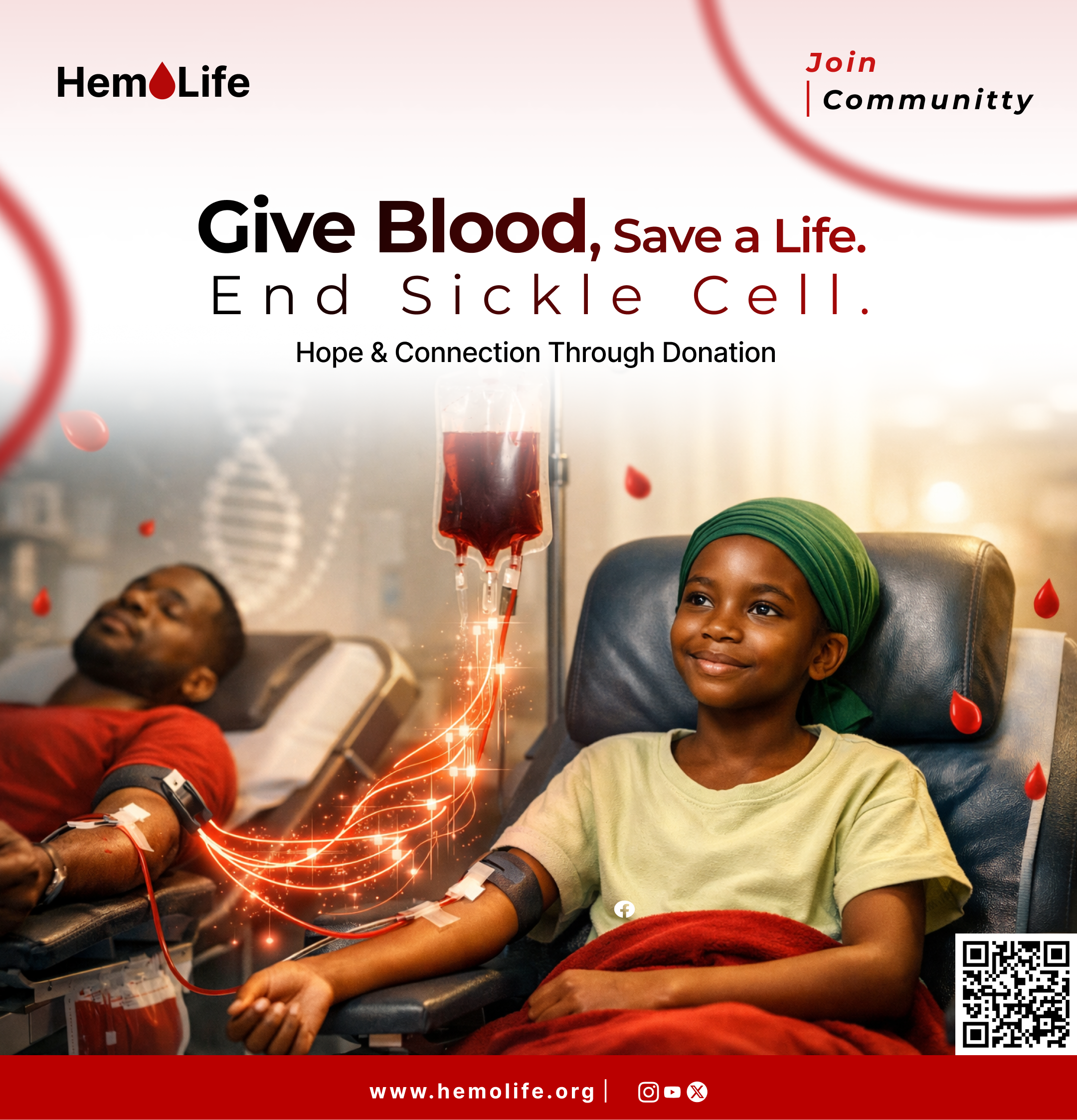
On February 21, 2026, a tweet from @Theoladeledada went viral: “The cure for sickle cell disorder is now available at Sickle Cell Foundation Nigeria, LUTH. You can get it as a Nigerian. Please retweet for others to see.” Thousands liked it, shared it, and flooded the replies with questions. The hope was real. So was the complexity. Commenters were quick to add context: bone marrow transplantation (BMT) is not a simple fix. It costs over ₦40 million, according to some estimates, requires a compatible sibling donor, and comes with strict eligibility criteria. One reply put it plainly: “Bone Marrow Transplant is not as simple as you made it sound.”That’s fair. But the underlying news is genuinely significant. What’s Actually Happening at LUTH The Sickle Cell Foundation Nigeria (SCFN) and Lagos University Teaching Hospital (LUTH) have been running Africa’s first dedicated non-profit bone marrow transplant program for sickle cell disease since around 2022. It meets international standards. Costs range from $15,000 to $22,000 USD, roughly ₦24 to 35 million, which is a fraction of what the same procedure costs abroad (often above $500,000). The procedure works by replacing faulty blood-forming cells with healthy ones from a compatible donor. For patients who qualify, primarily children with severe SCD who have an HLA-matched sibling, it offers a permanent cure. But eligibility depends on age, overall health, and whether a suitable donor exists. Not everyone qualifies, and the procedure carries real risks. Pre-transplant conditioning is gruelling, and lifelong follow-up is required. Nigeria carries the world’s highest burden of sickle cell disease. This program matters. But it can’t reach everyone, not yet, and maybe not for a long time. Blood Transfusions Are Still the Reality for Most. For the majority of Nigerians living with sickle cell, management means regular blood transfusions to ease crises, prevent organ damage, and keep people functional day to day. That’s where the gap remains critical. Voluntary blood donation in Nigeria covers well below 10% of the national need. Shortages are common. Delays cost lives. Hemolife exists to close that gap. We’re a peer-to-peer blood donation App that connects voluntary donors directly with people who need blood, cutting through the bottlenecks of family replacement policies and overstretched hospital systems. We match by blood type, location, and urgency. We work across Android and iOS. What Hemolife is Pioneering Last year, we collected over 200 pints of blood through hospital partnerships, campus drives, and community outreaches. We helped address urgent needs during holiday periods and in underserved areas, including Jos Terminus Market and ABSUTH in Aba, places where hospital blood banks often run dry. Across these efforts, we estimate more than 600 lives were reached. We also got a reminder of why this work matters on a human level. A tweet circulated about a blood donor who fainted but still tried to help. We responded then, and we mean it still: donors are heroes. We work to treat them that way, with education, post-donation support, and recognition that giving blood, done properly, does not cause lasting harm. What We’re Building in 2026 We’re working to make the app smarter, predicting demand, nudging donors at the right moment, and reducing drop-off. We’re deepening partnerships with institutions like LUTH and SCFN, including support for patients navigating post-transplant care. And we’re expanding into more campuses and communities across Nigeria. The Honest Challenges Myths about blood donation still keep people away. Infrastructure in rural areas is thin. Shifting a culture from family-replacement giving to voluntary, regular donation takes years of consistent advocacy. And even as BMT becomes more accessible, the cost and eligibility constraints mean that transfusions will remain essential for the vast majority of sickle cell patients for the foreseeable future. We’re not pretending these problems are easy. But the viral tweet in February, the hope in it and the hard questions in the replies are exactly why this work matters. Progress is real. It’s also incomplete. If you want to help, download the Hemolife app at www.hemolife.org and register as a donor. Every pint counts. 🩸 By Emmanuel Ejike
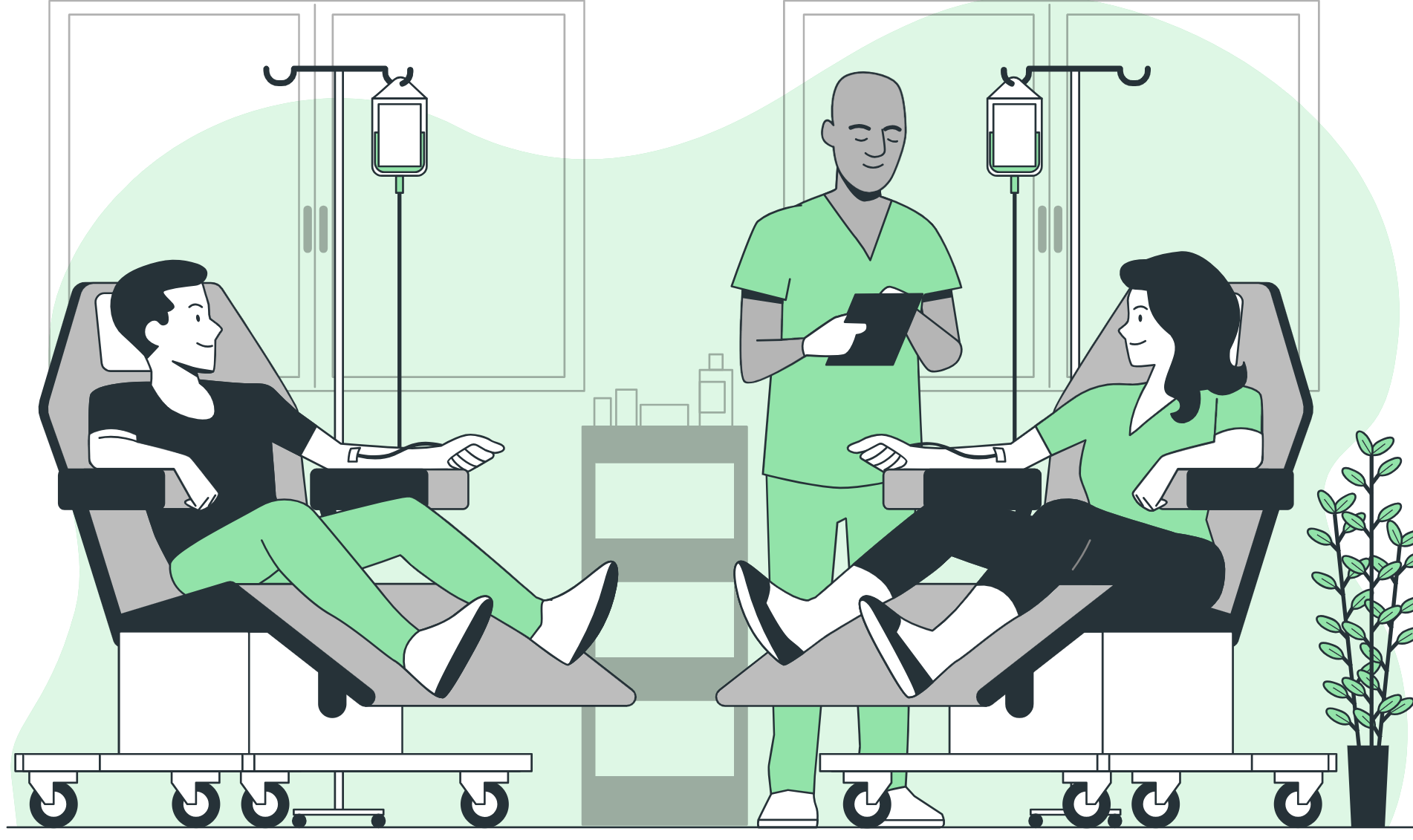
Blood Donation and Benefits of Donating Blood
Blood donation plays a crucial role in medical care; however, the global shortage of donors remains and has a serious impact on medical interventions. The challenges include the lack of public awareness of the importance of blood donation, the lack of understanding of the process and eligibility criteria for blood donation, and the lack of comprehensive strategies aimed at raising awareness and participation among potential donors. Various initiatives, such as blood donation camps, dynamic social media campaigns, and strategic networking of medical professionals, have proved effective in promoting blood donation. The global shortage of donors is an essential issue, driven by low blood donation rates. It has significant implications for healthcare systems worldwide, as safe and adequate blood supplies are critical to the success of various medical interests. Benefits to Donors According to the American Red Cross,” someone in the U.S needs blood every second than 41,000 blood donations are needed daily”. Donating has positive effects on both the donor and the patient. The lifespan of red blood cells is about 120 days and because red blood cells live no longer than 120 days, people are encouraged to donate. According to the American Journal of Epidemiology, “it was found that blood donors are 88% less likely to suffer a heart attack than those who do not donate”. To lower the risk of heart disease, donate blood. Blood donations also reduce the risk of cancers such as colon, stomach, lung, and liver cancers. Excess iron has been implicated in cancer risk through increased Iron-catalysed free radical-mediated oxidative stress. Other advantages include giving donors protection from diseases, making one healthy, making people know about their health at an early stage, and saving lives. Benefits to Recipients Donated blood is used in medical treatments to help patients undergoing surgery, trauma victims, individuals with cancers, and those with blood disorders. By donating blood, you directly contribute to saving lives. Blood donations are vital during emergencies such as natural disasters, accidents, and other crises where large amounts of blood may be needed quickly to save lives and mobilize patients. Blood transfusions are essential for treating various medical conditions such as anemia, blood disorders, and severe infections