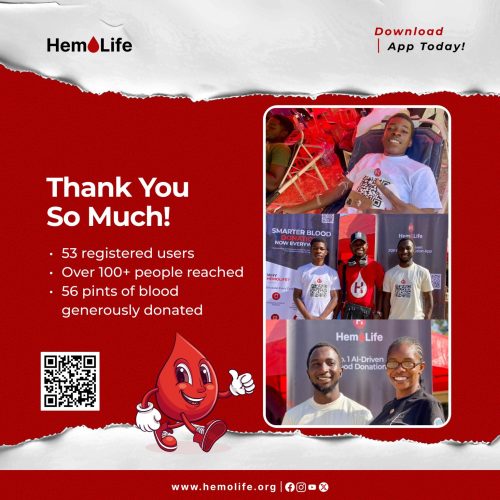
Blood donation plays a crucial role in medical care; however, the global shortage of donors remains and has a serious impact on medical interventions. The challenges include the lack of public awareness of the importance of blood donation, the lack of understanding of the process and eligibility criteria for blood donation, and the lack of comprehensive strategies aimed at raising awareness and participation among potential donors.
Various initiatives, such as blood donation camps, dynamic social media campaigns, and strategic networking of medical professionals, have proved effective in promoting blood donation.
The global shortage of donors is an essential issue, driven by low blood donation rates. It has significant implications for healthcare systems worldwide, as safe and adequate blood supplies are critical to the success of various medical interests.
Benefits to Donors
According to the American Red Cross,” someone in the U.S needs blood every second than 41,000 blood donations are needed daily”. Donating has positive effects on both the donor and the patient.
The lifespan of red blood cells is about 120 days and because red blood cells live no longer than 120 days, people are encouraged to donate.
According to the American Journal of Epidemiology, “it was found that blood donors are 88% less likely to suffer a heart attack than those who do not donate”. To lower the risk of heart disease, donate blood. Blood donations also reduce the risk of cancers such as colon, stomach, lung, and liver cancers. Excess iron has been implicated in cancer risk through increased Iron-catalysed free radical-mediated oxidative stress.
Other advantages include giving donors protection from diseases, making one healthy, making people know about their health at an early stage, and saving lives.
Benefits to Recipients
Donated blood is used in medical treatments to help patients undergoing surgery, trauma victims, individuals with cancers, and those with blood disorders. By donating blood, you directly contribute to saving lives.
Blood donations are vital during emergencies such as natural disasters, accidents, and other crises where large amounts of blood may be needed quickly to save lives and mobilize patients.
Blood transfusions are essential for treating various medical conditions such as anemia, blood disorders, and severe infections